A North Carolina compounding pharmacy has recalled 22 lots of compounded tirzepatide because it could not assure the injections were sterile. The FDA has classified the recall as Class II, and it is still open.
What was recalled
According to the FDA’s enforcement report, Apothecary Pharma LLC of Cary, N.C., recalled its Tirzepatide Injection, 18 mg/mL, sold in 4 mL multi-dose vials. The lot numbers start with AP-2026 and carry beyond-use dates from Oct. 7 to Nov. 26, 2026. The product went to customers nationwide.
The firm started the voluntary recall on Sept. 24. The FDA listed the reason as “lack of assurance of sterility” and posted the recall in its Oct. 14 enforcement report. The same report lists one lot of the pharmacy’s NAD+ injection, recalled for the same reason.
Tirzepatide is the active ingredient in Eli Lilly’s Zepbound and Mounjaro. The recalled vials are a compounded version made by the pharmacy, not Lilly’s product.
The FDA sorts recalls into three classes. Class II covers products that may cause temporary or medically reversible health problems, where the chance of serious harm is remote. It is the middle tier. Class I is the most serious.
Sterility matters most for injections. A drug that goes under the skin skips the body’s first line of defense, so contamination can lead to infection.
Why it matters for compounded GLP-1s
Compounded drugs are not FDA approved. The FDA says it does not review them for safety, effectiveness or quality before they are sold, and that side effects from compounded GLP-1s are likely underreported. That puts more weight on the pharmacy’s own testing and on the clinician who prescribes it.
BioPharma Dive, which reported the recall on Oct. 22, cited a Gallup survey finding that about 1 in 5 Americans taking these medicines use a compounded form.
What to do if you use compounded tirzepatide
Check the label on your vial. If it says Apothecary Pharma and the lot number matches the FDA notice, do not inject it. Call the pharmacy that sent it and the clinician who prescribed it.
For any compounded injection, the FDA advises getting a prescription from a licensed clinician and filling it at a state-licensed pharmacy. Do not use a vial that arrives warm. If you have a reaction or a problem with a product, you or your clinician can report it to the FDA’s MedWatch program.
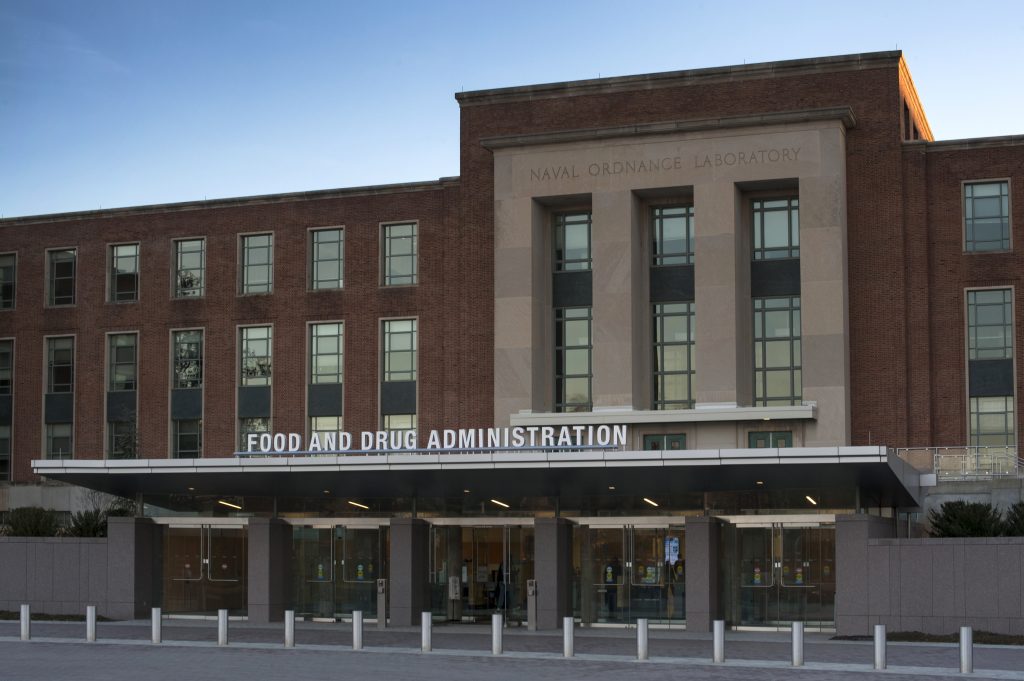
Photo: Entrance to the U.S. Food and Drug Administration. U.S. Food and Drug Administration via Wikimedia Commons, public domain.
Sources
- FDA Enforcement Report, recall event 99952 (Apothecary Pharma LLC, recall numbers D-0036-2027 and D-0037-2027)
- BioPharma Dive: GLP-1 compounder issues recall for copycat Zepbound (Oct. 22, 2026)
- FDA: Recalls Background and Definitions
- FDA: FDA’s Concerns with Unapproved GLP-1 Drugs Used for Weight Loss
- FDA: MedWatch Safety Information and Adverse Event Reporting Program
See what a Living+ plan costs and whether it fits.
Mounjaro and Zepbound are registered trademarks of Eli Lilly and Company. Living+ is not affiliated with or endorsed by this company.