
The FDA has sent one of the country’s largest compounding pharmacies a warning letter focused on compounded GLP-1 weight loss medications. The letter to Empower Clinic Services, which does business as Empower Pharmacy in Houston, is dated September 18 and was made public on September 22.
It is worth reading closely, because the letter goes beyond one pharmacy. It also describes how some telehealth prescriptions for these drugs are being written.
What the FDA said
According to the Houston Chronicle’s reporting on the letter, the FDA said Empower’s tirzepatide and semaglutide products, which add B vitamins such as niacinamide or cyanocobalamin and come in different dosage forms, appear to be essentially copies of the FDA-approved drugs sold by Eli Lilly and Novo Nordisk.
Compounding pharmacies may make versions of approved drugs when a prescriber determines a patient needs a significant difference, such as a different dose or formulation. The FDA argued that the sheer volume Empower produces suggests those differences are, in the letter’s word, “pretextual.”
The letter also said prescriber justifications for the compounded products appeared to be “repeated verbatim across many records,” and noted that some telehealth platforms let prescribers pick those reasons from pre-set options.
Separately, the letter cites quality problems found during a November 2025 inspection, including contamination concerns near a production area and weak quality assurance, and says Empower’s corrective plan lacked enough documentation for the agency to verify the fixes.
Empower’s response
Empower CEO Shaun Noorian told the Chronicle that the company has “already remediated many of the issues outlined in the Warning Letter,” takes its compliance obligations seriously, and will work with the FDA on the remaining items.
The bigger picture
The letter is part of a year of FDA attention on compounded GLP-1s. Earlier in 2026 the agency sent warning letters to dozens of telehealth companies over advertising that implied compounded drugs were the same as approved brands. In May it proposed ending most large-scale 503B outsourcing of semaglutide, tirzepatide and liraglutide, while leaving patient-specific 503A compounding available. That proposal was still pending as of this writing.
A warning letter is not a court finding or a shutdown order. It is the FDA’s formal statement that it believes a company is violating the law, and the company gets a chance to respond.
What patients should take from it
If you take a compounded GLP-1, this is a good moment to ask your provider three plain questions. Which pharmacy makes my medication? Why was a compounded version chosen for me specifically? And what happens to my treatment if that pharmacy’s supply changes?
Do not stop or change a dose on your own because of news coverage. Talk to the clinician who prescribes it.
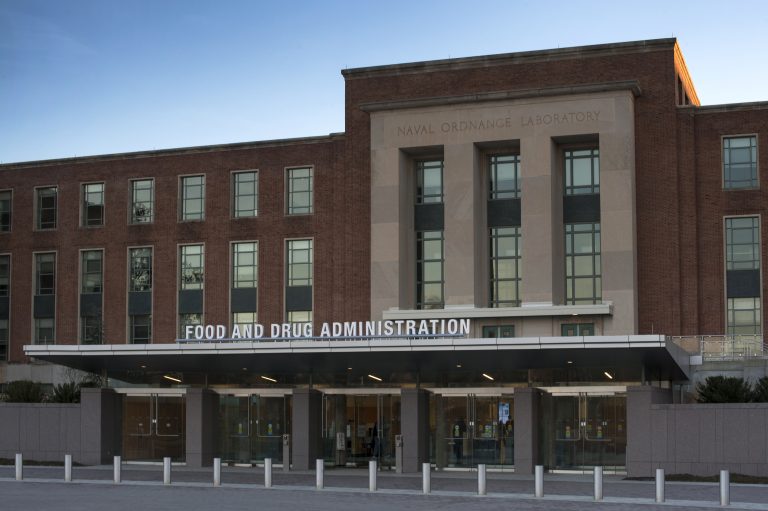
Photo: Exterior of an FDA building on the White Oak campus in Silver Spring, Maryland. U.S. Food and Drug Administration via Wikimedia Commons, Public domain.
Sources
- Houston Chronicle (via Yahoo News): FDA takes issue with Houston-based Empower Pharmacy’s GLP-1 production in latest warning letter (Sept. 22, 2026)
- Endpoints News: Compounder Empower receives FDA warning letter over GLP-1s
- Frier Levitt: FDA Warning Letter Targets Compounded GLP-1 Products
- Medscape: FDA Proposes End to Mass GLP-1 Compounding
- FDA: Warning Letters database
See what a Living+ plan costs and whether it fits.