
The public comment period on Medicare’s 2027 Physician Fee Schedule closed on September 14. The proposed rule, released by the Centers for Medicare & Medicaid Services in July, sets how Medicare pays clinicians next year, and it carries several changes for virtual care.
Here is what is on the table, and what it could mean for patients who see clinicians by video.
Telehealth list grows
CMS proposed adding five new HCPCS G-codes to the Medicare Telehealth Services List, the official list of services Medicare will pay for when delivered remotely. Holland & Knight’s summary notes the advance care planning codes are among the proposed additions.
The rule also proposes updated descriptions for telehealth critical care consultations and changes to virtual presence rules for teaching physicians working with residents.
New modifiers, no new payments
CMS proposed two new informational claim modifiers. Summaries of the proposal say they would be required when a telehealth service is furnished through a telehealth platform the physician has a contract with, or when a service is furnished incident to another clinician’s service. The modifiers do not change payment, but they would give Medicare a clearer view of how much care runs through telehealth platforms.
The originating site facility fee would rise to $32.65 for 2027.
Remote monitoring could shrink
The biggest change for digital health companies sits in remote physiologic and therapeutic monitoring. After reports from the HHS Office of Inspector General, CMS proposed:
- Limiting remote therapeutic monitoring to established patients.
- Requiring a separate face-to-face initiating visit before monitoring is billed.
- Paying only when the monitoring is done by clinical staff employed by the practice, not outside companies.
Holland & Knight notes the third-party restriction could materially limit these services, since outsourcing is common today.
Lower rates overall
The proposed conversion factor, the number that turns relative value units into dollars, falls to $32.8409 for most clinicians, a 1.68 percent drop, as a temporary 2.5 percent bump expires.
Where industry stands
ATA Action, the advocacy arm of the American Telemedicine Association, called many of the changes constructive. “We are encouraged that CMS is signaling telehealth and digital health tools are here to stay in Medicare policy,” said Kyle Zebley, ATA’s CEO.
The bigger telehealth rules for Medicare, including letting patients be seen at home anywhere in the country, were already extended by Congress through December 31, 2027. The fee schedule works inside that window.
CMS usually publishes the final rule in early November. We will cover what survives.
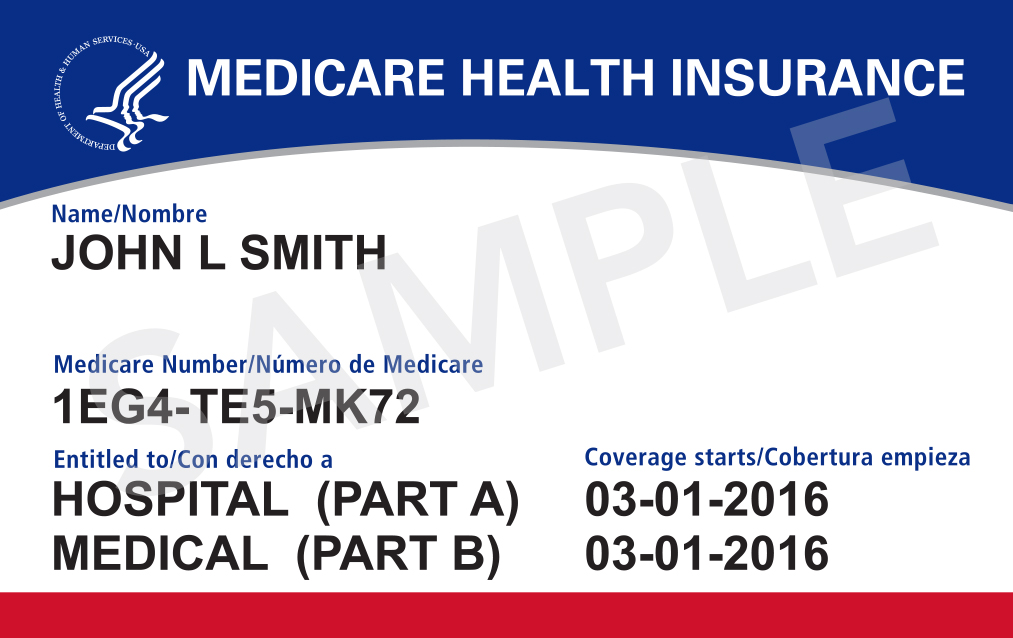
Photo: Sample of the U.S. Medicare card. Centers for Medicare & Medicaid Services via Wikimedia Commons, Public domain.
Sources
- Federal Register: CY 2027 Payment Policies Under the Physician Fee Schedule (proposed rule, July 16, 2026)
- Holland & Knight: CMS Issues CY 2027 Medicare Physician Fee Schedule Proposed Rule
- Applied Policy: CY 2027 Physician Fee Schedule Proposed Rule
- ATA Action: Initial comments on the CY2027 Physician Fee Schedule proposed rule
See what a Living+ plan costs and whether it fits.