A billing change that took effect on October 1 will make it much easier to see how rural America actually uses telehealth.
Rural health clinics and federally qualified health centers, the community clinics that serve many rural and low-income patients, have been billing Medicare for most telehealth visits with a single catch-all code, G2025. Starting October 1, 2026, they stopped.
What changed
According to the Centers for Medicare & Medicaid Services, rural health clinics (RHCs) and federally qualified health centers (FQHCs) could keep reporting G2025 for non-behavioral health telehealth services through September 30, 2026. From October 1, they bill those services with the individual CPT or HCPCS code that describes the visit, plus the appropriate telehealth modifier.
In other words, Medicare will now see that a clinic did a diabetes follow-up or a medication check by video, rather than one generic telehealth line.
What did not change
- The National Association of Rural Health Clinics notes the switch does not change reimbursement.
- Behavioral health telehealth from RHCs and FQHCs is still paid under their usual all-inclusive and prospective payment systems.
- Patients can still be at home, and the clinic can still serve as the distant site, through December 31, 2027.
Why it matters
Rural patients use telehealth far less than city patients. FAIR Health’s first quarterly tracker of 2026, which covers commercially insured patients, found 18.6 percent of urban patients had a telehealth claim in the first quarter, compared with 10.3 percent of rural patients, though rural use grew faster.
Part of the challenge in closing that gap has been data. A single catch-all code hid what services rural clinics were actually providing remotely. Specific codes give researchers, CMS and Congress a clearer picture before lawmakers decide what Medicare telehealth looks like after 2027.
For clinics
The California Telehealth Resource Center and other regional centers published guidance ahead of the deadline. Billing teams should confirm their claims software is sending the visit code and modifier, and watch early remittances for denials.
For patients, nothing should look different. Your clinic visit by video is still covered. It is just described more accurately on the claim.
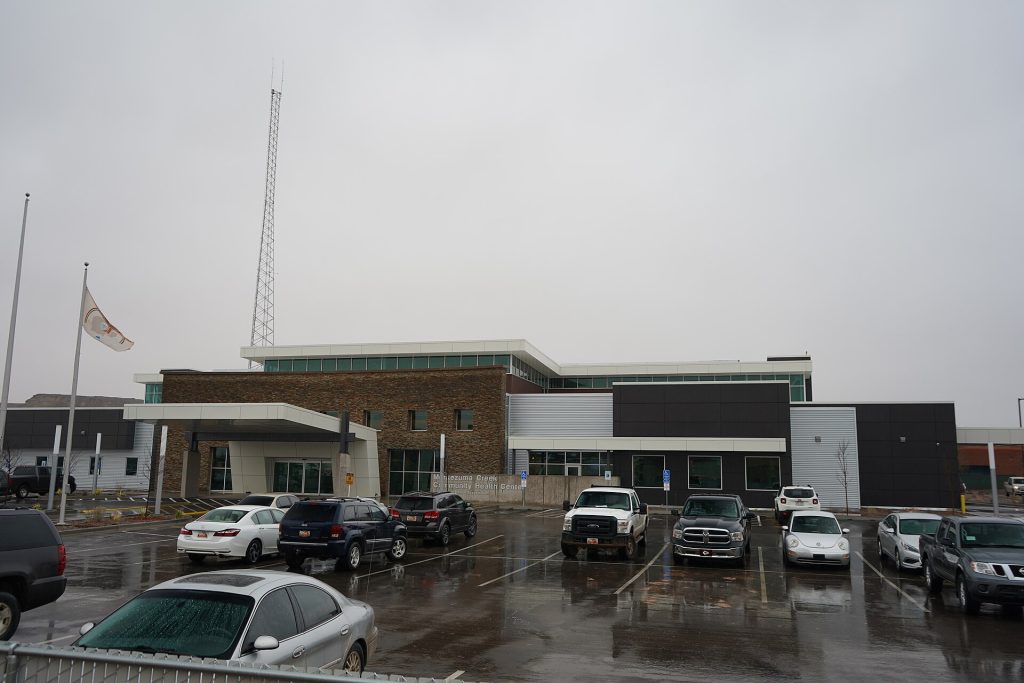
Photo: Montezuma Creek Community Health Center in rural Utah. Steven Baltakatei Sandoval via Wikimedia Commons, CC BY-SA 4.0.
Sources
- CMS: Telehealth FAQ, updated Oct. 8, 2026 (PDF)
- National Association of Rural Health Clinics: Telehealth Policy
- Telehealth Resource Centers: August 2026 Newsletter
- Fierce Healthcare: US telehealth utilization climbs 10.1% in Q1, led by mental health visits: FAIR Health
See what a Living+ plan costs and whether it fits.